

Losing weight is something many people search for during moments of urgency. Keeping it off is what most struggle with. Fast results can happen, especially for people with a higher starting body weight, but without the right habits in place, weight often returns just as quickly. This is why long-term weight loss is less about intensity and more about how daily life is structured around food, stress, movement, and routine.
Healthy weight loss looks different for every body. People with higher body weight may experience faster early changes due to water loss and metabolic shifts, while smaller or petite individuals require a slower, more cautious approach to avoid hormonal disruption, muscle loss, and burnout. What works in the short term does not always work long term.
The tips below focus on practical, realistic habits that support weight loss while making it easier to maintain. They are not quick fixes. They are patterns commonly shared by people who lost weight and kept it off without turning food into a constant struggle.
1. Find Real Hobbies. Eating Is Not One of Them.

A lot of weight gain has nothing to do with hunger. It happens because eating has slowly replaced boredom, rest, and stimulation. Food becomes the default activity. When there is nothing to do, people eat. When they are tired, they eat. When they want a break, they eat.
Most people think weight loss starts in the kitchen. In reality, it starts with what you do when you have nothing to do.
Some examples of replacing food-as-a-hobby with something else:
- Going for a long walk with no fitness goal, just to move and clear the head
- Reading or writing for half an hour instead of reaching for snacks
- Learning a small skill like photography, cooking properly, or editing videos
- Doing low-effort routines like stretching, cleaning, or organising a space
- Spending time outside without buying anything or eating anything
- Sitting with boredom long enough to realise hunger was never the issue
People who succeed long term usually change what fills their time, not just what fills their plates. When life has texture and rhythm, food stops being entertainment and returns to being what it was meant to be.
2. Eat Boring Meals on Purpose

Weight loss gets easier when meals stop being entertainment. When every meal needs variety, excitement, or a reward element, eating turns emotional and inconsistent. Repeating simple meals reduces decision fatigue and removes the constant thinking about what to eat next. This is not about eating tasteless food, but about choosing meals that are filling, predictable, and easy to manage. Variety works better when it is occasional, not daily.
Examples of what “boring meals” usually look like in real life:
- Chicken breast, rice, and vegetables eaten regularly
- Eggs with toast or oats for breakfast most days
- Simple salads with protein instead of loaded dressings
- Plain yogurt with fruit instead of flavoured yogurt bowls
- Black coffee or plain tea instead of sweetened drinks
- Home-cooked meals repeated across the week
- Eating the same lunch on workdays to avoid overeating
People who lose weight and keep it off often simplify food instead of chasing new meal ideas. When meals become routine, appetite becomes easier to manage, portions become more consistent, and food stops controlling daily decisions.
3. Stop Eating Just Because It Is “There”
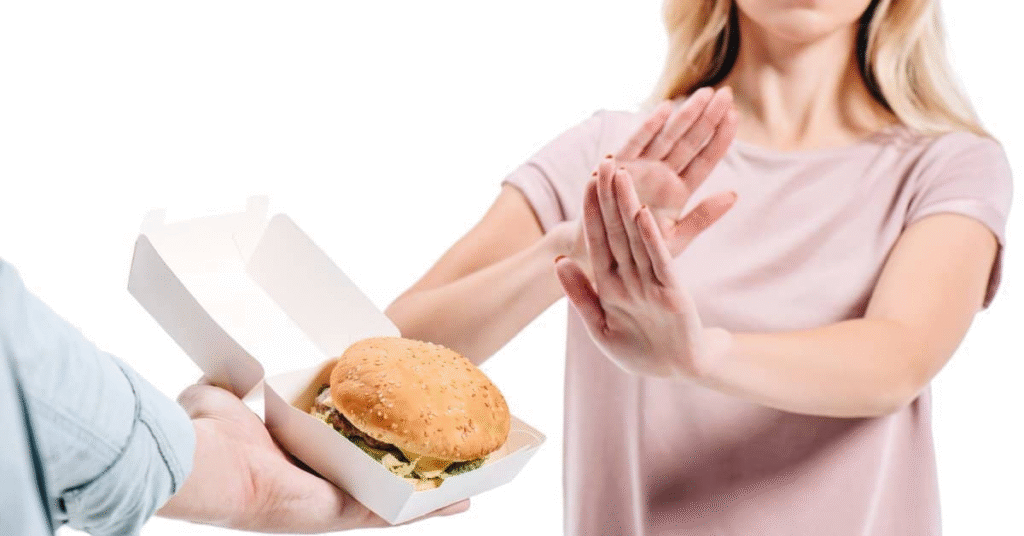
A large amount of weight gain comes from eating food that was never planned. Office snacks on the table, leftovers in the fridge, someone else’s unfinished meal, free food at events. People often search things like “why do I eat when I’m not hungry” or “why do I keep snacking all day”, and the answer is usually availability, not appetite. When food is visible and easy to reach, it gets eaten, even without hunger. Learning to pause before eating something just because it is there creates space between habit and choice. Leaving food behind, throwing it away, or saving it for later is not failure or waste. It is a boundary. Weight loss becomes more manageable when eating is intentional rather than automatic.
Common situations where this shows up:
- Eating leftovers even when already full
- Finishing someone else’s plate
- Snacking while working or watching something
- Eating because food is free or about to expire
- Grabbing food just to avoid boredom
- Eating “one bite” that turns into several
People who maintain weight long term are not perfect eaters. They have learned to be intuitive and simply stop treating the presence of food as a reason to eat it.
4. Consistency Beats Intensity Every Time

Most people fail at weight loss not because they did nothing, but because they keep starting strong and stopping just as fast. People often search things like “why do I lose weight then gain it back” or “why crash diets don’t work long term”, and the answer is usually inconsistency. One strict week cannot undo months of habits, just like one indulgent weekend does not erase steady progress. The body responds to what happens most often, not to bursts of effort followed by burnout. Boring, repeatable days create change because they are survivable. Intensity looks impressive, but consistency is what quietly reshapes the body over time.
What consistency actually looks like in real life:
- Eating roughly the same meals most days
- Walking regularly instead of doing extreme workouts
- Sleeping at similar times on weekdays
- Keeping portions reasonable without tracking everything
- Allowing flexibility without abandoning structure
People who maintain weight loss are not constantly pushing harder. They are simply showing up in the same small ways, over and over, long after motivation fades.
5. Your “Normal” Portion Size Is Learned

Most people assume their portion size is natural or fixed, but it is learned over time. It comes from how meals were served growing up, how food is shared socially, and what feels polite or expected at the table. People often search things like “why do I eat large portions” or “how to control portion size without dieting”, and the answer is rarely about willpower. It is habit. Portion size adjusts the same way it was learned, gradually and quietly. Feeling full does not require feeling stuffed, and stopping before that point is a skill that improves with practice.
Signs your portion size is driven by habit rather than hunger:
- Eating until the plate is empty even when satisfied
- Feeling uncomfortable but still finishing the meal
- Matching your portion to others regardless of your hunger
- Automatically serving the same amount every time
- Feeling guilty leaving food behind
People who lose weight and keep it off often do not eat dramatically less food. They simply reset what feels normal on their plate.
6. Tracking Everything Will Eventually Burn You Out
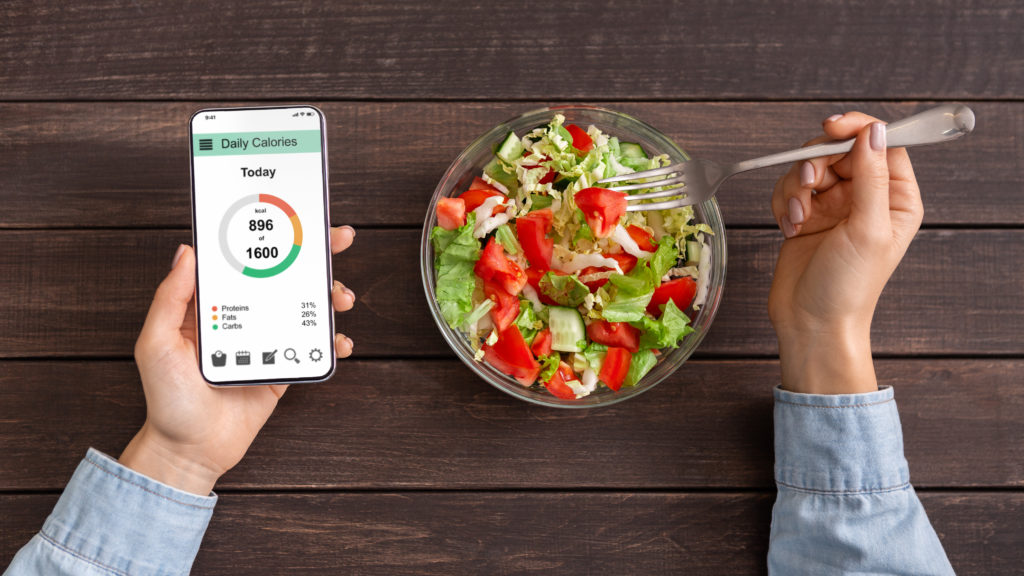
Tracking food can be useful at the beginning because it creates awareness. Many people search things like “should I count calories every day” or “is calorie tracking sustainable”, and the honest answer is that it depends on how long you plan to do it. Obsessing over every calorie, macro, or number often leads to fatigue and quiet resentment. What starts as discipline slowly turns into rebellion. Long-term progress comes from noticing patterns like which meals keep you full, which habits trigger overeating, and when hunger is real. Once those patterns are clear, tracking has done its job. Letting go is not failure. It is how weight loss becomes livable instead of exhausting.
Signs tracking is no longer helping:
- Feeling anxious about eating without an app
- Avoiding meals because logging feels tiring
- Eating more on days tracking stops
- Choosing food based on numbers instead of hunger
- Feeling guilty over small miscalculations
People who maintain weight loss rarely track forever. They track long enough to learn, then trust what they learned.
7. Most “Plateaus” Are Just Quiet Maintenance

Many people panic when the scale stops moving, even though nothing has gone wrong. This is why searches like “why am I not losing weight anymore” or “weight loss plateau but eating the same” are so common. Weight loss does not move in a straight line. There are periods where the body holds steady while adjusting to lower calories, new activity levels, or hormonal shifts. These weeks often feel frustrating because they are quiet. No drops, no drama, no visible reward. But maintenance phases are often where progress settles in. The body is not failing. It is adapting.
Signs a plateau is actually maintenance, not a problem:
- Clothes fit better even if the scale does not change
- Hunger feels more stable than before
- Energy levels improve instead of crash
- Weight stays within the same small range
- Old habits no longer return automatically
People who quit during plateaus miss the part where weight loss becomes sustainable. Staying steady during these pauses is often what makes the next drop possible.
8. Stress Eating Feels Like Hunger but Does Not End With Fullness

Stress eating often feels exactly like hunger at first, which is why so many people search things like “why do I eat when I’m stressed” or “stress eating vs real hunger”. The difference shows up after eating. Real hunger eases once the body is fed. Stress eating does not. The urge lingers, even after feeling physically full. That is because food is being used to calm the nervous system, not to fuel the body. Eating more rarely solves it. Stepping away, resting, or reducing stimulation often does. If eating does not satisfy the urge, hunger was never the problem.
Common signs stress eating is at play:
- Eating even after a proper meal
- Wanting food during anxiety or overwhelm
- Snacking while working or scrolling
- Craving comfort foods rather than meals
- Feeling unsatisfied no matter how much is eaten
Food can soothe briefly, but it cannot regulate stress long term.
9. Stop Waiting for “The Right Time”

Many people put off weight loss while waiting for life to settle down. Work gets busy, family needs attention, stress piles up, and plans are postponed. This is why searches like “when is the best time to start losing weight” or “should I wait until life is less stressful to diet” are so common. The truth is that life rarely becomes quiet on schedule. Progress begins when small routines are built inside imperfect days, not after chaos disappears. Waiting for the right time often turns into waiting forever.
Signs you might be stuck in waiting mode:
- Telling yourself you will start after a deadline or event
- Restarting every Monday or next month
- Dropping habits the moment stress increases
- Believing consistency requires ideal conditions
- Feeling behind before you even begin
People who succeed long term do not have calmer lives. They simply stop postponing progress and learn to move forward alongside everything else.
10. Weight Loss Becomes Easier When Food Stops Being a Reward

Many people are taught to use food as a reward from a young age. Celebrations, hard days, rest days, and small wins all get paired with eating. This is why searches like “why do I reward myself with food” or “how to stop emotional eating” are so common. When food becomes the main way to celebrate or cope, appetite becomes unstable. Removing food from the reward system does not remove joy. It redistributes it. Pleasure moves back into rest, connection, movement, and small daily comforts that do not depend on eating. When food returns to its role as nourishment, eating becomes calmer and weight loss becomes easier to maintain.
Signs food is being used as a reward:
- Eating after stressful days regardless of hunger
- Feeling entitled to snacks after small achievements
- Associating rest with treats
- Using food to mark the end of the day
- Feeling deprived when rewards are not edible
People who maintain weight loss often still enjoy food. They just stop using it as the main source of relief or celebration.
Disclaimer: This article is based on research, expert perspectives, and collective insights gathered by the GoldenHourMagazine team. The information shared is intended for general awareness and lifestyle guidance only, and should not be taken as medical advice. Individual needs and experiences may vary. If you have health concerns, please consult a qualified healthcare professional. The points discussed are not presented in any specific order. For more information, please refer to our copyright, privacy, and disclosure policies.